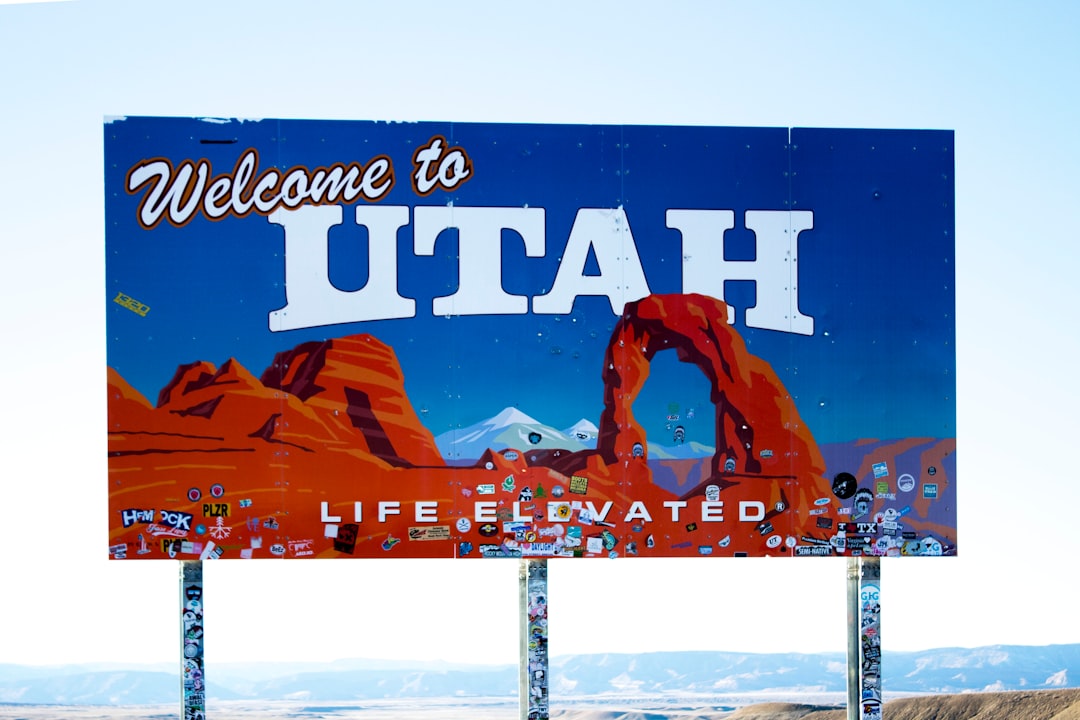
How to Stop Spam Calls in Utah: A Comprehensive Guide
Introduction
In an era where privacy is paramount, the scourge of spam calls has become a pervasive nuisance across the globe, including the state of Utah. These unwanted calls not only disrupt daily life but can also pose security risks. This article delves into effective strategies to combat this issue, providing Utah residents with actionable steps and valuable insights into staying protected against spam calls.
Understanding How to Stop Spam Calls in Utah
Spam calls, often a byproduct of automated software (robocalls) or individuals peddling scams, have become an epidemic. To effectively counteract this, it's crucial to understand the mechanisms behind these calls and the tools available to curb them. This section will define spam calls, their evolution, and the importance of addressing this issue at both individual and systemic levels.
Global Impact and Trends
The impact of spam calls transcends borders, with individuals worldwide experiencing the ramifications. Trends indicate a shift towards more sophisticated calling systems that can mimic human speech (robotexts) and an increase in scam operations. This section will explore how different regions are affected and the global measures taken to mitigate this issue.
Economic Considerations
Spam calls have significant economic implications, from the costs incurred by consumers to the investments made by companies developing anti-spam call solutions. Market dynamics reveal a race between scammers and tech firms to outsmart each other. This section will analyze these dynamics and the role of "how-to-stop-spam-calls-utah" within economic systems.
Technological Advancements
The battle against spam calls is largely technological. From call-blocking apps to advanced network filtering, technology plays a pivotal role in identifying and halting these calls. This section will review the latest advancements, their impacts, and what the future may hold in terms of anti-spam call technologies.
Policy and Regulation
Government policies and regulations have a significant impact on the effectiveness of spam call prevention efforts. This section will outline key legislation, such as the Telephone Consumer Protection Act (TCPA), and discuss their role in regulating "how-to-stop-spam-calls-utah."
Challenges and Criticisms
Despite the efforts, challenges persist. From sophisticated spammers evolving new tactics to privacy concerns with call-blocking apps, the fight against spam calls is fraught with obstacles. This section will address these challenges and propose strategies to overcome them, ensuring a more secure telecommunication environment.
Case Studies
Real-world examples serve as invaluable lessons for addressing spam calls effectively. This section will present case studies of successful anti-spam call initiatives, highlighting the strategies employed and their outcomes.
Future Prospects
The landscape of "how-to-stop-spam-calls-utah" is ever-evolving. With emerging technologies and shifting regulations, new opportunities and challenges arise. This section will provide insights into potential growth areas, future trends, and strategic considerations for staying ahead of spam call scammers.
Conclusion
In conclusion, "how-to-stop-spam-calls-utah" is a multifaceted challenge that requires a concerted effort from consumers, tech companies, and policymakers. By understanding the tools at our disposal and staying informed about new developments, we can better protect ourselves against these unwanted interruptions and safeguard our personal information.
FAQ Section
-
What are some common indicators of a spam call?
- Unknown or private numbers calling with offers or requests for personal information.
- Caller ID spoofing, where the caller's number appears legitimate but is not.
- High-pressure sales tactics or requests for immediate payment or sensitive data.
-
Are there any apps that can help block spam calls?
- Yes, several apps like TrueCaller, RoboKiller, and Nomorobo offer various features to identify and block spam calls.
-
How do robocallers get my phone number?
- Robocallers often use data breaches, purchased lists, or guessing patterns to generate calls en masse.
-
What can I do if I receive a spam call from a government impersonator?
- Hang up immediately and report the call to relevant authorities, such as the FCC or your state's attorney general.
-
Is it legal for companies to call me with offers after I've asked them to stop?
- Under the TCPA, companies are required to honor your request to stop contacting you, and continued unsolicited calls may be considered illegal.
By staying informed and proactive, Utah residents can significantly reduce the impact of spam calls on their lives. The collective effort to combat this issue will lead to a safer telecommunication environment for all.
February 1, 2025
How To Stop Spam Calls Utah Expert
Utah's Operation Stop Scam Calls initiative tackles spam calls through education and legal avenues. Residents are empowered by knowledge of local laws like the TCPA and access to specialized law firms for protection against fraudulent calls. By recognizing and reporting suspicious activities, i.......
Read more →
January 31, 2025
How To Stop Spam Calls Utah Expert
In Bountiful, Utah, phone scams are prevalent, targeting residents with fraudulent prizes, investment schemes, and legal threats. To combat this, community awareness campaigns educate citizens about common scams. Utah's strict spam call laws, like the TCPA, empower residents to take action agai.......
Read more →
January 30, 2025
How To Stop Spam Calls Utah Expert
Community Awareness Campaigns in Utah empower residents to combat phone scams by educating them about scamming tactics and providing practical steps for protection. Guided by federal laws like the Telephone Consumer Protection Act (TCPA), these campaigns involve local organizations, specialized spam.......
Read more →
January 28, 2025
How To Stop Spam Calls Utah Expert
Protect your privacy from unwanted spam calls in Utah by understanding the Telephone Consumer Protection Act (TCPA). Hire a reputable spam call law firm or Utah-based TCPA lawyer to stop excessive calls, assert your rights, and document interactions. Combine legal guidance with advanced call blockin.......
Read more →
January 26, 2025
How To Stop Spam Calls Utah Expert
Spam calls are a growing problem in Utah County, affecting residents' lives and privacy. The Telemarketing Consumer Protection Act (TCPA) provides substantial protections, with options like the National Do Not Call Registry and legal actions against violators. Utah residents can stop spam calls.......
Read more →
January 25, 2025
How To Stop Spam Calls Utah Expert
Utah children face increasing spam call intrusion, impacting their well-being and safety. The Telephone Consumer Protection Act (TCPA) offers protection, but educating kids about responsible communication is vital. Using tools like caller ID, blocking unknown numbers, and reporting suspicious calls.......
Read more →
January 24, 2025
How To Stop Spam Calls Utah Expert
Residents of West Jordan and across Utah have legal protections against spam calls thanks to the Telephone Consumer Protection Act (TCPA). To combat unwanted calls, register on the National Do Not Call Registry, use call-blocking features, and consult with a spam call law firm or lawyers specializin.......
Read more →
January 24, 2025
How To Stop Spam Calls Utah Expert
Phishing via phone (vishing) is a global issue, with scammers using advanced tech and social engineering. In the US, including Utah, the Telemarketing Consumer Protection Act (TCPA) offers protection against spam calls. To stop these calls, individuals should verify caller identities, consult TCPA-s.......
Read more →
January 23, 2025
How To Stop Spam Calls Utah Expert
Utah residents are protected from unwanted robocalls and telemarketing practices by state laws. Understanding violations like false information or refusal to stop calling is crucial. Consulting a specialized How To Stop Spam Calls Lawyer UT can help resolve spam call issues through legal actions, bl.......
Read more →
January 21, 2025
How To Stop Spam Calls Utah Expert
In Utah, dealing with spam calls is a prevalent challenge. However, residents can protect themselves by understanding the Telephone Consumer Protection Act (TCPA) and taking proactive measures. This includes registering on the Do Not Call Registry, using blocking apps, and seeking advice from specia.......
Read more →